
3D RENDERING
SERVICE
Our 3D rendering services provide a precise and reliable way to communicate architectural and interior design concepts with clarity and realism.
Every image is crafted to reflect real materials, accurate lighting and the intended atmosphere of the space or building. The purpose is to support decision making, strengthen presentations and enhance the value of your project through photorealistic visuals. 3D rendering is used across architecture, interior design, property development and marketing, offering a consistent and predictable visual language.
What Is 3D Rendering
3D rendering is the process of converting a digital model into a realistic image or animation. It combines geometry, materials, lighting and camera composition to create visuals that accurately represent a design before it is built. This allows clients, planners and stakeholders to understand the project clearly, without relying on technical drawings or imagination.
Rendering is used for planning submissions, design development, marketing campaigns and client presentations. It provides a visual interpretation that is easy to understand and consistent across all stages of a project. Whether the goal is to communicate a concept, secure approvals or support sales, 3D rendering delivers a dependable visual outcome.
Modern rendering technology continues to evolve, offering higher realism, faster production times and more flexible creative options. This makes it an essential tool for contemporary architectural and interior design workflows.
Why Choose Our 3D Rendering Services
Our 3D rendering services support planning, marketing and client presentations by providing clear, accurate and visually compelling imagery that communicates your design with confidence. These visuals help stakeholders understand scale, materials and spatial intent without relying on technical drawings, making the decision‑making process faster and more reliable.
These 3D rendering services are designed to remain efficient even when project details evolve, allowing the workflow to adapt smoothly as drawings, materials or design directions change. This flexibility ensures progress continues without delays, giving you consistent output even in fast‑moving projects. The result is a dependable rendering process that supports your team from early concept through to final delivery.
Rendering Workflow
A structured workflow ensures accuracy, consistency and predictable delivery.
The process begins with gathering drawings, references and project information.
This includes floor plans, elevations, material schedules and any available design guidelines.
The model is then built or refined to match the architectural or interior specifications. Materials are applied based on schedules, samples or references, ensuring accuracy in texture, colour and reflectivity. Lighting is set to reflect the intended mood, whether natural daylight, artificial lighting or a combination of both.
Camera angles are selected to highlight the most important aspects of the design. Drafts are shared for review, allowing adjustments to materials, lighting or composition. This stage ensures the final direction is aligned with your expectations.
Once approved, the final render is produced at high resolution for print, digital use or marketing campaigns. The workflow is designed to remain efficient even when information evolves, ensuring clarity at every stage.
Interior Rendering
Interior rendering focuses on atmosphere, materials and the spatial experience of a room. It is used by interior designers, developers and marketing teams to present concepts with accuracy and visual impact.
Materials such as timber, stone, fabrics and metals are represented with precision. Lighting is crafted to reflect the intended mood, whether soft and warm or bright and functional. Furniture, styling and accessories are added to communicate the character of the space.
Interior rendering helps clients understand layout, proportions and material combinations before construction begins. It also supports marketing by presenting interiors in a polished and aspirational way. This makes it a valuable tool for residential developments, hospitality projects and commercial interiors.
Interior rendering is also effective for testing design variations, allowing you to compare materials, colours or layouts before making final decisions. This reduces uncertainty and supports a more efficient design process.
Exterior Rendering
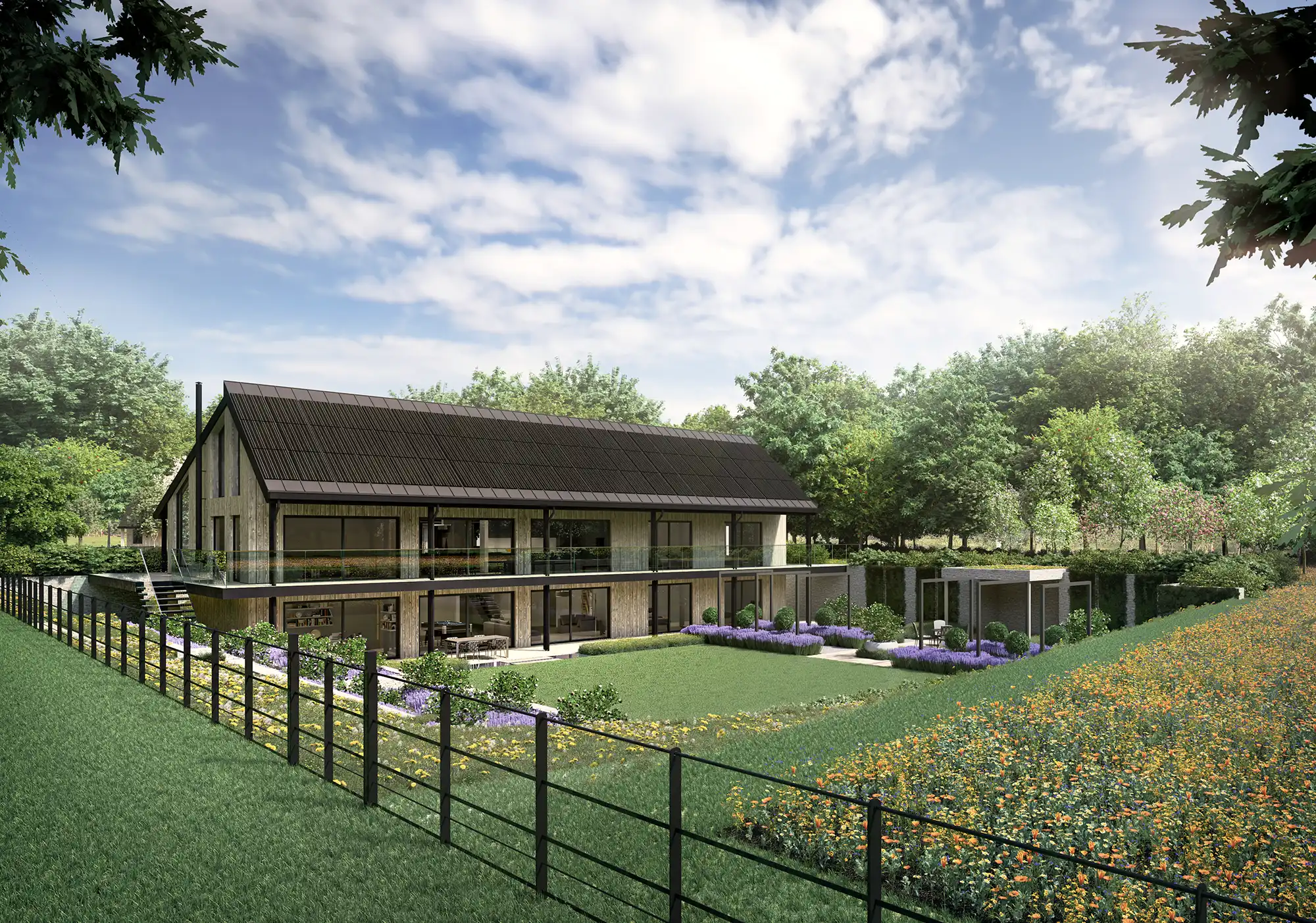
Exterior rendering communicates the architectural character of a building and its relationship with the surrounding environment. It is used for planning submissions, design development and marketing campaigns.
The model is built to match architectural drawings and elevations. Materials such as brick, metal, glass and cladding are represented accurately. Lighting and weather conditions are adjusted to suit the purpose of the image, whether technical or atmospheric.
Landscaping, context and environmental details are added to complete the scene. This helps stakeholders understand scale, proportions and the overall visual impact of the building.
Exterior rendering provides a clear and reliable representation of the final built form. It is particularly effective for residential developments, commercial buildings and large‑scale masterplans.
Exterior rendering also supports early‑stage design, helping teams evaluate massing, façade treatments and environmental integration before committing to construction.
Animation Rendering
Animation rendering brings a project to life through movement, transitions and guided storytelling. It is used for marketing, presentations and digital campaigns where static images are not enough.
Animations can show interior walkthroughs, exterior flyovers or full development tours. They help clients understand spatial flow, material transitions and the overall experience of the design.
Lighting, camera paths and timing are crafted to create a smooth and engaging narrative. This format is particularly effective for large developments, hospitality projects and high‑value marketing campaigns.
Animation rendering also enhances digital marketing, providing dynamic content for websites, social media and investor presentations.
Portfolio
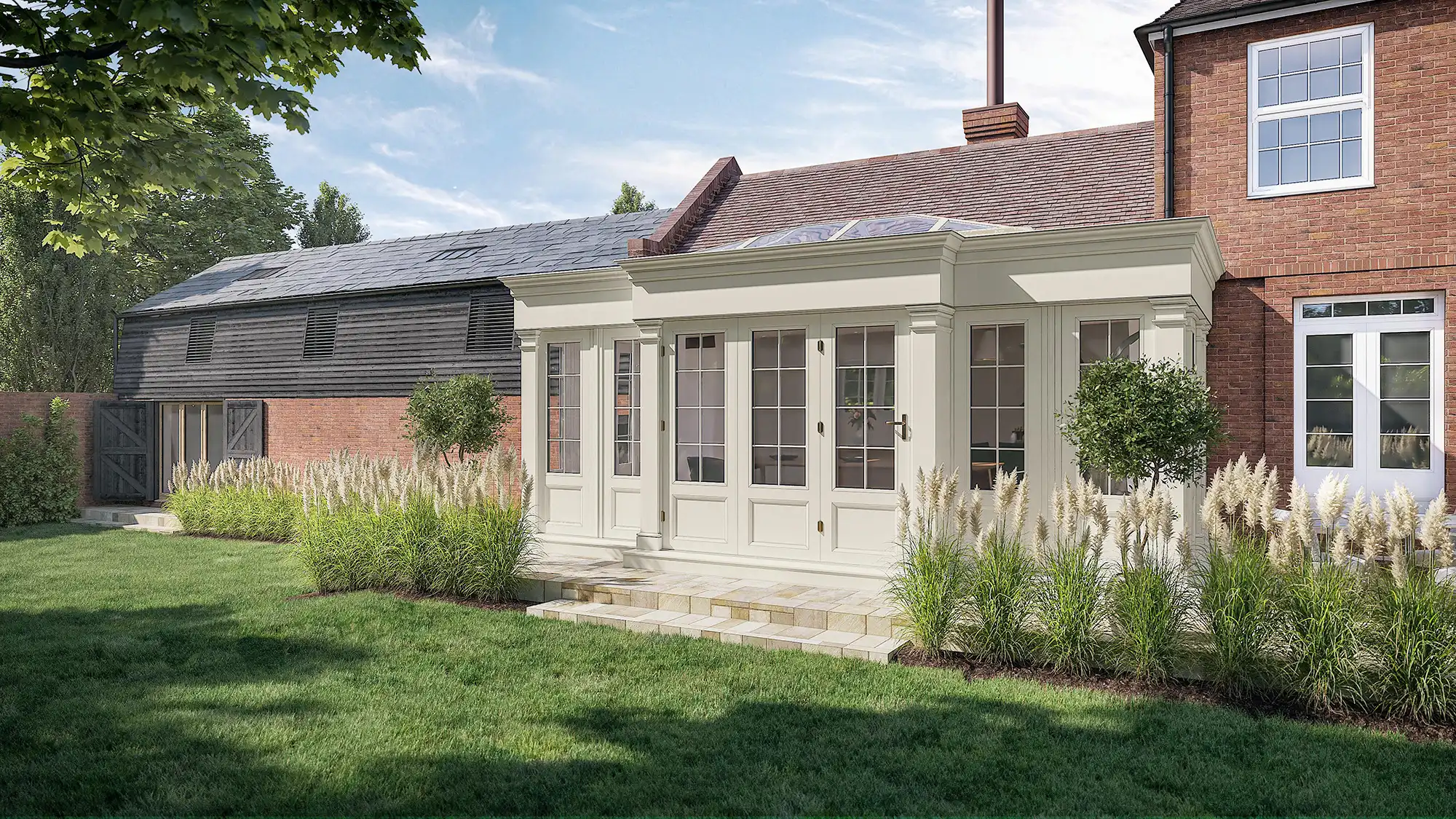
Our portfolio includes interior, exterior and animation rendering for residential, commercial and mixed‑use developments. Each project is approached with a focus on accuracy, clarity and visual quality. The goal is to deliver images that support your objectives, whether planning, design development or marketing.
Every project is treated individually, ensuring the visual direction aligns with your brand, audience and design intent.
