
INTERIOR
CGI
Interior CGI is the most effective way to communicate the atmosphere, layout and material quality of an interior space before it exists, it allows designers, developers and marketing teams to present a complete vision with clarity and confidence, it transforms early concepts into photorealistic visuals that feel tangible and emotionally engaging, it helps clients understand the design intent instantly and it elevates the perceived value of any project.
Interior CGI replaces uncertainty with precision, it removes the limitations of sketches and moodboards and replaces them with fully realised scenes that show lighting, textures, furniture and styling in a way that feels natural and believable, it supports design development, planning submissions, investor presentations and off plan marketing.
It’s a core component of modern property communication.
What Is Interior CGI
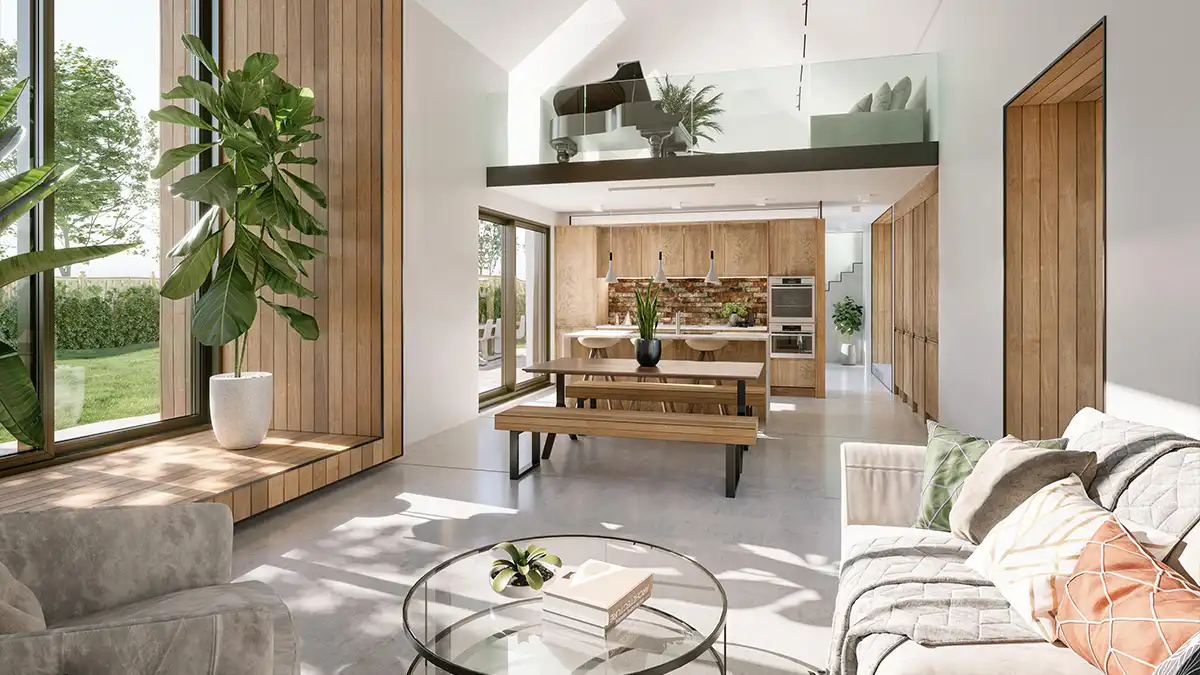
Interior CGI is the creation of realistic digital images that represent interior spaces with photographic accuracy, it uses advanced 3D modelling, material creation and lighting techniques to simulate real world conditions, it is used across residential, commercial and hospitality sectors to visualise rooms before construction begins.
The process starts with architectural drawings or sketches, the space is modelled in 3D, materials are applied based on the design specification, lighting is set to match the intended mood and the scene is styled to reflect the target audience and brand identity, the final result is a set of images that look like professional photography but are created entirely in CGI.
Interior CGI is essential for pre sales campaigns, design approvals and marketing strategies, it allows teams to communicate ideas clearly, reduce misunderstandings and make decisions faster, it also provides a consistent visual language across brochures, websites and social media.
Interior CGI is flexible, it can show multiple design options, alternative layouts, different lighting moods and various material combinations, this makes it a powerful tool for both creative exploration and commercial presentation.
Interior Styling
Styling defines the personality and emotional tone of an interior CGI image, it is the element that transforms a technical model into a warm, inviting and aspirational space, it ensures the visual aligns with the target audience and supports the marketing strategy.
A premium styling workflow includes furniture selection, colour palettes, accessories, artwork, textiles and layout decisions, every object is placed with intention, the goal is to create a composition that feels natural and lived in while still maintaining a refined aesthetic.
Styling also communicates lifestyle, a development aimed at young professionals requires a different visual language compared to a luxury family home or a boutique hospitality project, interior CGI allows complete control over this narrative, ensuring every detail supports the desired positioning.
Good styling enhances the architecture, it guides the viewer’s eye, it creates balance and it reinforces the emotional message of the space, it is one of the most important components of high quality interior CGI.
Materials and Lighting
Materials and lighting determine the realism and emotional impact of interior CGI, they define how surfaces behave, how light interacts with the space and how believable the final image feels.
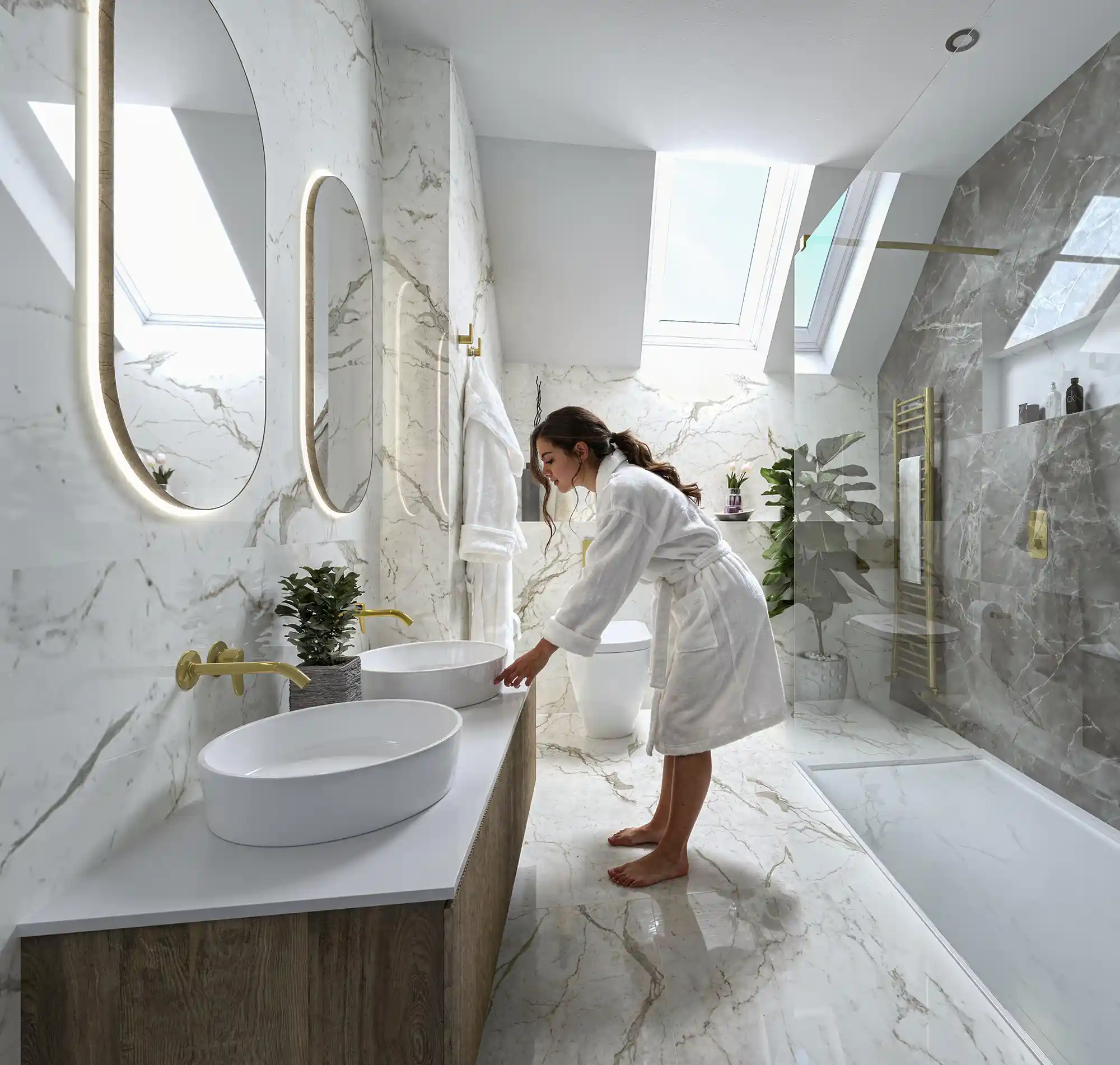
High quality materials include accurate textures, correct reflectivity, realistic scale and subtle imperfections that mimic real surfaces, wood should show grain variation, stone should have natural irregularities, fabrics should respond to light in a soft and tactile way, these details create authenticity.
Lighting sets the mood, it shapes the atmosphere and it highlights the architectural features of the space, interior CGI uses a combination of natural light, artificial fixtures and global illumination to create depth and realism, warm lighting creates comfort and luxury, cooler lighting emphasises modernity and precision, every lighting choice supports the emotional response the image is designed to evoke.
Materials and lighting work together to create a cohesive visual experience, they ensure the final image feels immersive and true to the design intent.
Portfolio
Our interior CGI portfolio includes residential developments, commercial interiors, hospitality spaces and bespoke design projects, each image is crafted with attention to detail, premium styling and accurate lighting, the goal is always to create visuals that feel real, warm and aspirational.
Explore related services including virtual staging and 3D rendering services to support your full marketing strategy, these services complement interior CGI and provide a complete visual toolkit for property marketing.
FAQ
Ready to Bring Your Project to Life?
High end architectural visualisation can transform the way your projects are understood, approved, and sold. It reduces uncertainty, builds confidence, and creates a clear visual story that supports every stage of a development.
If you are planning a new scheme or need imagery for an existing project, Visual Trick can provide reliable, realistic CGI that works for architects, developers, and planning.
Let’s create something exceptional with Visual Trick.
