
CGI PHOTOMONTAGE
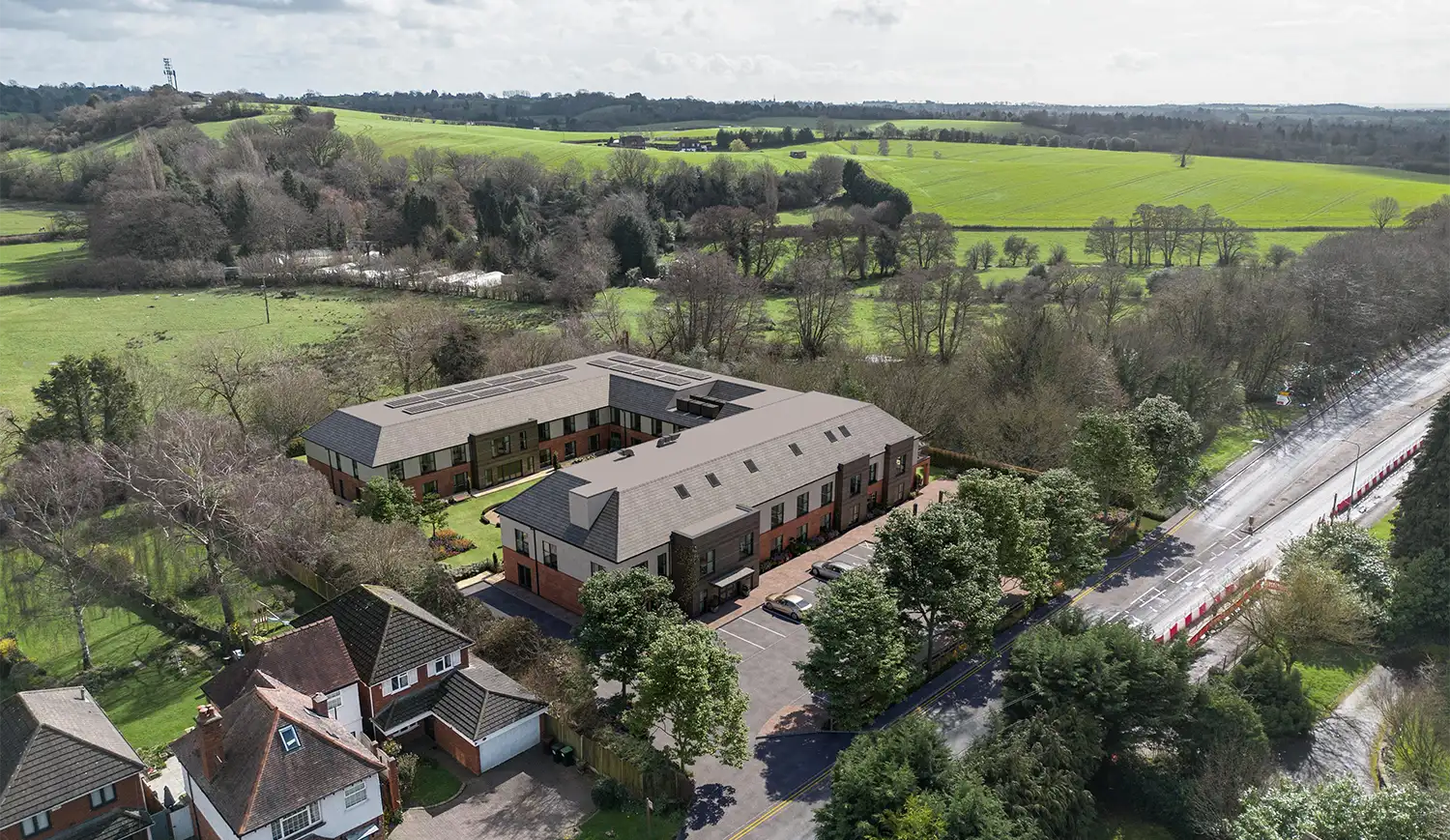
CGI photomontage blends computer‑generated imagery with real photography to show how a proposed development will appear once built.
It provides a realistic, context‑accurate visual that helps planners, committees, clients and the public understand the true impact of a project. CGI photomontage is widely used for planning submissions, design presentations and marketing campaigns, offering clarity and confidence at every stage.
Photography Requirements
High‑quality photography is essential for accurate CGI photomontage.
The final result depends on capturing the site correctly, with consistent lighting, perspective and camera data.
Photography requirements include:
- high‑resolution images
- correct lens and focal length
- stable tripod height
- consistent lighting conditions
- clear visibility of key reference points
Photography should capture:
- streetscape context
- surrounding buildings
- landscape and environment
- access routes and boundaries
Accurate photography ensures the CGI integrates naturally, creating a seamless and believable final image.
Accuracy
Accuracy is critical for planning‑grade photomontage.
The CGI must align precisely with the photograph, matching perspective, scale and lighting.
Accuracy is achieved through:
- camera matching
- lens calibration
- precise 3D modelling
- correct shadow and light direction
- material realism
- environmental consistency
For planning submissions, photomontage can be produced as:
- AVR Level 0 — location and size
- AVR Level 1 — massing and scale
- AVR Level 2 — detailed form
- AVR Level 3 — full materials and lighting
Accurate photomontage builds trust with planning authorities, ensuring the visuals are accepted as reliable evidence.
Planning Use Cases
CGI photomontage is widely used in planning applications to demonstrate how a development will affect its surroundings.
Common planning use cases include:
- residential developments
- commercial buildings
- refurbishments and extensions
- conservation and heritage sites
- streetscape improvements
- environmental impact assessments
Photomontage supports:
- design and access statements
- committee presentations
- public consultations
- verified view submissions
Planning photomontage provides clarity and transparency, helping decision‑makers understand the proposal accurately.
Marketing Use Cases
CGI photomontage is also a powerful tool for marketing and sales.
It helps developers and agents present projects realistically before construction begins.
Marketing use cases include:
- brochure imagery
- website visuals
- social media campaigns
- investor presentations
- off‑plan sales materials
Photomontage can show:
- completed façades
- landscaping and public realm
- street‑level atmosphere
- day and dusk lighting
Marketing photomontage creates strong visual impact, helping buyers and investors connect with the project.
Workflow
A structured workflow ensures consistency, accuracy and high‑quality results.
1. Photography Capture High‑resolution images are taken with correct lens and camera data.
2. Image Selection The best angles are chosen for CGI integration.
3. 3D Modelling The proposed development is modelled accurately from architectural drawings.
4. Camera Matching CGI cameras are aligned with the real photograph’s perspective.
5. Rendering CGI is rendered to match lighting, materials and environmental conditions.
6. Integration CGI is composited into the photograph to create the final photomontage.
7. Review and Adjustments Drafts are shared for feedback and refinements.
8. Delivery Final images are delivered for planning or marketing use.
This workflow ensures realism, accuracy and compliance, producing visuals that support both planning and commercial goals.
