
High-quality, honest CGI belongs at the centre of care home marketing, provided every image reflects what residents and families will actually experience. The assets worth considering first include exterior CGI that shows a welcoming approach, interior renders with genuine signs of life, and interactive virtual tours that let families explore at their own pace. Skip anything that overstates facilities or staffing, since UK consumer law requires marketing claims to stay truthful and complete.
TL;DR:
- Planning teams need aerial photomontages and verified views early, while operators filling beds should prioritize interior renders and virtual tours once designs are settled.
- Families respond to lived in rooms, assessors need accurate dimensions and accessibility details, and investors or planners look for evidence of deliverability and neighborhood fit.
- UK consumer law requires truthful marketing that does not omit material facts, with clear disclosure of total fees, mandatory extras, trial terms, and complaint procedures.
- Give the studio confirmed facilities, floor plans, accessibility notes, and photographs of furniture and finishes you will install; involve operations staff in final approval.
- Virtual tour hotspots can connect menus, activity schedules, and published inspection reports to the relevant spaces, giving families factual details during their online exploration.
Table of Contents
- Why CGI matters for care home marketing
- Which CGI assets to commission and when
- Design principles for believable, reassuring imagery
- UK consumer law and CMA checklist for marketing with CGI
- How to commission CGI: brief, timeline and deliverables
- One-page launch checklist
- Balancing marketing impact with dignity and truth
- How we help care home developers market with confidence
- FAQ
- Sources
Why CGI matters for care home marketing
Families choosing a care home are often doing so under pressure, sometimes following a health crisis or a difficult conversation about a relative’s future. In that context, imagery that feels staged or sterile tends to raise doubts rather than settle them, while honest, warm visuals do the opposite. Clinical assessors and local authority contacts look for different reassurance altogether, usually wanting clarity on accessibility, room layouts and communal spaces rather than emotional appeal.
Investors and planning committees have a third set of priorities again: they want visuals that demonstrate deliverability, scale and fit with the surrounding area. A single set of CGI assets rarely serves all three audiences equally well, which is why a care home marketing plan benefits from tailoring the asset mix to who will see it.
- Families respond to lived-in, believable spaces rather than polished, empty rooms.
- Assessors and commissioners need accurate layouts, accessibility detail and realistic room dimensions.
- Investors and planners want visuals that read as deliverable, not aspirational.
Digital-first research habits mean most of this first impression now happens online, often before anyone picks up the phone, which puts real weight on getting the imagery right from the outset.
Which CGI assets to commission and when
Care home marketing rarely needs every asset type at once. Matching the commission to the stage of development and the audience keeps budgets focused and avoids producing visuals that go unused.
- Exterior CGI for street presence, the approach to the building and garden views, useful from planning submission through to launch marketing.
- Interior renders that show plausible resident activity, such as furniture arranged for conversation or a dining room set for a meal, built for the pre-sales and family-facing stage.
- Interactive virtual tours with hotspots linking to menus, activity schedules or staff introductions, best deployed once a scheme is close to opening and ready for serious enquiries.
- Aerial photomontage and verified views for planning consultations, where committees and neighbours need to see the development in its true context.
Developers submitting a planning application typically need the aerial and verified view assets earliest, while operators focused on filling beds will prioritise interior renders and virtual tours once the design is settled. A care home CGI package built around these asset types can cover much of the marketing journey without duplicating spend.
Design principles for believable, reassuring imagery
The difference between a render that builds trust and one that raises suspicion usually comes down to small, deliberate choices. Families notice when a lounge looks unused, and they notice just as quickly when it looks convincingly lived in.
- Show signs of life: a tea tray on a side table, an open book, cushions arranged for conversation rather than symmetry.
- Set outdoor space at human scale, with level access and paths that look genuinely usable rather than purely decorative.
- Include accessibility cues such as handrails, wide doorways and clear sightlines, so expectations match reality.
- Avoid implying services, staff numbers or facilities that will not actually be available once the home is operating.
That last point matters legally as well as ethically. Suggesting a facility, activity or staffing level that does not exist in an exterior or interior render could breach the Competition and Markets Authority’s consumer law advice for care home providers, which treats misleading marketing claims as a compliance issue, not just a reputational one.
Pro Tip: Brief your CGI studio with photographs of furniture and finishes you intend to actually install, not aspirational mood boards, so the render matches what families will see on a visit.

UK consumer law and CMA checklist for marketing with CGI
Marketing a care home sits under the same consumer protection rules as any other service sold to the public, with some sector-specific detail layered on top. The CMA’s guidance sets out that advertising and promotional material must be truthful, must not omit material facts, and must disclose mandatory fees and any trial period terms clearly, which Competition and Markets Authority guidance for care homes states directly.
- Provide total fees, including any mandatory extras, rather than a headline figure alone.
- Disclose trial period terms and complaint handling procedures before a place is offered.
- Avoid superlatives such as “best” or “most luxurious” unless current inspection or quality evidence supports them.
Fully searchable, published inspection reports let families cross-check any claim a care home’s marketing makes, which is why linking to that evidence directly from a virtual tour hotspot works better than leaving it to a separate enquiry.
Practical guidance from Business Companion’s care home checklist lists exactly what to hand over at first contact and before offering a place, including summary terms, fees and the complaints process, information that sits well as linked documents inside an interactive tour rather than buried in a brochure.
How to commission CGI: brief, timeline and deliverables
A clear brief saves time and prevents revision cycles that eat into launch schedules. Care home projects have specific constraints that a generic property brief often misses.
- Define the audience and purpose for each asset, whether that is planning submission, family-facing marketing or an investor deck.
- Specify factual constraints up front: confirmed facilities, staffing ratios you can state publicly, and any features still subject to change.
- Supply floor plans, accessibility notes and any landscaping drawings so the studio can model realistic scale and access.
- Agree a review and sign-off process involving operations staff, not only marketing, to confirm the imagery reflects lived reality.
Planning-focused visuals such as verified views and photomontage tend to need longer review windows because planning officers scrutinise accuracy closely, while marketing-facing interior renders can usually move through fewer approval rounds. Typical deliverables include high-resolution stills for print, web-optimised versions for the site, a virtual tour with hotspots, and annotated floor plans for enquiry packs. The CGI workflow for care home development stages explains how these deliverables map onto each phase of a scheme.
One-page launch checklist
Before publishing anything, run through a short checklist that covers both compliance and asset completeness.
- Confirm total fees, a link to the latest inspection report, and an accurate description of the activity programme.
- Include a visible complaint handling contact alongside any marketing claim about care quality.
- Commission an exterior render, interior lounge and bedroom renders with signs of life, a garden detail shot, a virtual tour and an accessible floor plan.
- Place factual disclaimers and links to fuller information near the claim they relate to, not in small print at the page footer.
Balancing marketing impact with dignity and truth
Marketing a care home carries a different weight than marketing most property. Families are often making one of the hardest decisions of their lives, and imagery that leans on gloss rather than honesty tends to be remembered for the wrong reasons. Modest, believable renders showing real activity rather than staged perfection can help build trust. Producing that kind of work in-house, with an experienced operator overseeing every render, can help maintain quality and deadlines across a sensitive sector where schedules rarely have slack.
— Paride
How we help care home developers market with confidence
We produce CGI for care operators and developers, which means an experienced operator stays across your project from brief to final delivery. That matters when a planning deadline or a launch date is fixed and cannot slip.
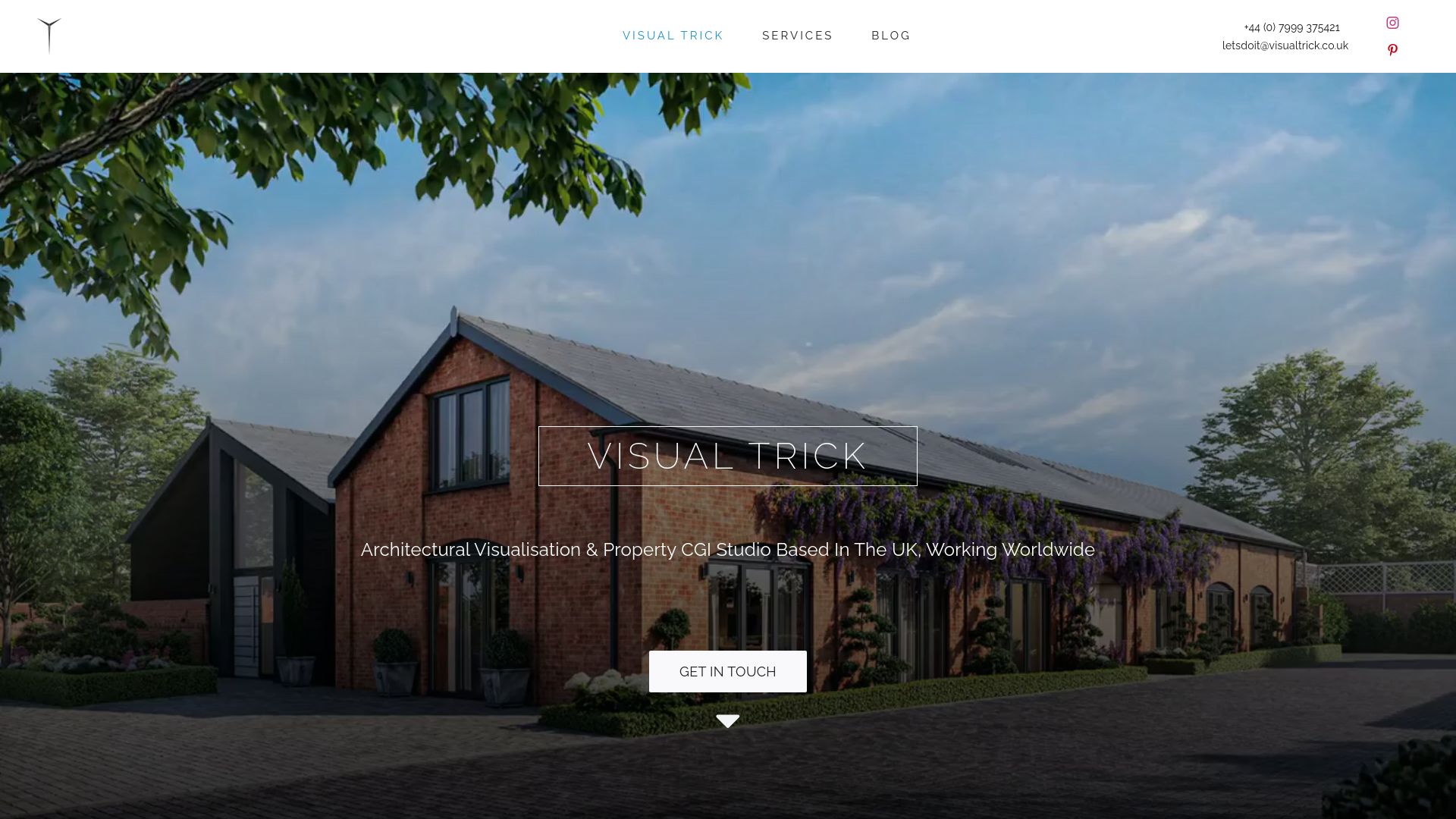
Our relevant services for this sector include:
- Exterior and interior CGI built around real furniture, finishes and accessibility features rather than generic stock interiors.
- Planning visuals, including photomontage and verified views, for committee submissions and consultation documents.
- Interactive virtual tours with hotspots linking to menus, activities and factual disclosures.
If you are planning a scheme or preparing to launch marketing for an existing home, get in touch through our services page to discuss a tailored brief, or request a quote directly for your project.
FAQ
Is CGI effective for care home marketing?
Yes, when the imagery is honest and reflects the facilities and services a home will actually provide. Exterior renders, interior scenes with genuine signs of life, and interactive virtual tours each serve a different part of the decision-making process for families, assessors and investors.
What must care home marketing legally include?
UK marketing for care homes must be truthful, avoid omitting material facts, and clearly disclose mandatory fees and trial terms, as set out in the CMA’s consumer law advice. Operators should also provide fee details, trial terms and complaint procedures at first contact, per Business Companion’s care home guidance.
What CGI assets should a care home launch with?
A practical starting set is exterior CGI, interior lounge and bedroom renders showing plausible activity, a garden or outdoor space render, and an interactive virtual tour with hotspots for menus and activities. Planning-stage projects also need aerial photomontage and verified views for committee submissions.
How long does care home CGI take to produce?
Timelines vary with the number of views and review rounds required, with planning visuals typically needing longer approval windows than marketing-facing interior renders. Providing a clear brief with floor plans, accessibility notes and confirmed facilities up front helps keep a project on schedule.
Does Visual Trick work specifically with care home developers?
Yes, our care home CGI service covers exterior, interior and planning visuals. Pricing is available on request based on the scope of views and deliverables needed.
