
Nobody has an exact count, but the credible range runs into the billions overall, with AI-generated stills alone adding an estimated 80 million images a day in 2026. That daily figure covers AI stills, not the studio renders, animation frames, and game screenshots that also fall under the CGI umbrella. Traditional CGI production runs at a far smaller, project-based scale. See the volume estimates section below for how these numbers are actually compiled.
TL;DR:
- The vast majority of daily CGI image creation comes from AI-generated stills and platform assets, with over 80 million images produced per day in 2026.
- Studio-rendered images are significantly fewer, typically priced between $150 and several thousand dollars each, targeting high-quality projects like architectural renders.
- AI image counts include duplicates and discarded variations, making platform totals inflate compared to curated academic datasets, which are much smaller and controlled.
- When planning a project, specify exact numbers of master views, variants, and revisions to avoid budget disputes and misaligned expectations.
- Actual project needs usually involve far fewer images than headline totals suggest, with 3 to 12 master views plus variants and revisions forming the standard scope.
Table of Contents
- What counts as a CGI image, exactly?
- What are the current volume estimates for CGI images?
- How is CGI image volume actually measured?
- Where do most CGI images actually get used?
- What does a CGI image actually cost to produce?
- How many CGI images will your project actually need?
- Counting deliverables the way a CGI studio actually does
- Getting a reliable CGI image count for your own project
- Sources
- FAQ
What counts as a CGI image, exactly?
“CGI” gets used loosely, and that looseness is why the totals vary so wildly. Before any number means anything, it helps to separate the categories being counted.
- Static renders: single, finished images produced from 3D scene data, typically the end product of a design or marketing project.
- Animation frames: individual images extracted from a rendered sequence. A 10-second animation at 24 frames per second contains 240 separate images, even though a viewer only ever sees it as one clip.
- Game frames: rendered in real time, often at 60 frames per second or higher, meaning a single hour of gameplay generates well over 200,000 individual images that are never saved or counted anywhere.
- AI-generated stills: images produced by prompt-based generators such as diffusion models, counted per output regardless of how many variations a user discards.
Estimates that quote “billions” of CGI images are usually counting AI stills and platform assets, not studio-rendered masters. Thumbnails, resized derivatives, and near-duplicate variations of the same render inflate platform tallies further, which matters when you compare any total against a single studio’s output.
What are the current volume estimates for CGI images?
The honest answer is that nobody agrees on a single figure, because “CGI image” spans everything from a single hand-crafted architectural render to a throwaway AI thumbnail. What’s clear is the scale gap between AI generation and everything else.
Over 30 billion AI images have been created since mid-2022, and industry tracking puts daily generation at roughly 80 million per day in 2026. That daily rate has climbed fast: from around 2 million a day shortly after the technology went mainstream, to roughly 34 million a day by 2024, to today’s estimate. Individual platforms report even larger lifetime totals. Adobe Firefly alone has reported more than 24 billion assets generated, though that figure almost certainly overlaps with counts from other ecosystems, since the same creative brief often gets run through multiple tools.
Academic datasets sit at a wholly different scale. One widely cited computer graphics image quality study collected 25,454 raw images and narrowed that down to 1,200 for controlled testing. A related large-scale collection effort, the CGIQA-6k project, worked with a curated set of 6,000 images. These numbers aren’t small by research standards, but they’re a rounding error against platform tallies, and that gap is the whole point.

Why the range is so wide: platform figures count every generated asset, including duplicates and abandoned drafts, while academic datasets are deliberately pruned down for controlled experiments. Neither one tells you how many studio-quality architectural or commercial CGI renders exist worldwide, because that industry doesn’t publish aggregate totals at all.
How is CGI image volume actually measured?
Three broad methods produce the numbers you see quoted, and each has a different blind spot worth knowing before you repeat a figure.
- Platform self-reporting. Companies disclose cumulative asset counts, which usually include every generation attempt, duplicate, and variation a user has ever created. These figures are the least independently verifiable and the most prone to inflation.
- Academic dataset curation. Researchers assemble a working sample, then filter it down for quality or relevance. The CGIQA study’s move from 25,454 collected images to 1,200 selected is a textbook example: rigorous, but never meant to represent total global output.
- Extrapolation from usage patterns. Analysts multiply known variables, such as API call rates or active user counts, to estimate daily or annual volume where no direct disclosure exists.
Each method answers a different question, so match the method to what you actually need to know.
Pro Tip: If you’re quoting a CGI statistic in a report or presentation, always name the measurement method alongside the number. “80 million AI images a day” and “6,000 curated research images” aren’t in competition with each other, they’re measuring completely different things.

Where do most CGI images actually get used?
Headline totals feel abstract until you connect them to real activity. A handful of sectors account for almost all of the volume.
- Consumer AI generation and gaming dominate daily creation statistics by a wide margin, simply because every prompt or every rendered game frame counts as a new image.
- Film and VFX produce comparatively few finished frames per project, but each one can take hours of render time on studio hardware, so the count is small while the compute cost is enormous.
- Advertising and marketing generate high volumes through variant testing: the same product shot rendered in multiple colourways, backgrounds, or crops.
- Architecture and property marketing multiply totals through batch rendering: one building might need six exterior angles, four interior views, day and dusk variants, and an aerial context shot, all from a single 3D model.
Consumer AI tools win the daily volume race because generating an image takes seconds and costs almost nothing per attempt. Studio CGI works on the opposite economics: fewer images, far higher production value per frame.
What does a CGI image actually cost to produce?
Price per image tells you more about production method than the headline volume figures do. Professional architectural and commercial renders typically range from around $150 to several thousand dollars per image, with high-end photoreal work reaching $2,000 to $8,000 or more depending on complexity, lighting, and revision rounds.
- Studio CGI: higher per-image cost, but cost per image tends to fall once a base 3D model exists, since additional camera angles or lighting variants reuse most of the underlying work.
- AI generation: near-zero marginal cost per image once a subscription or API access is in place, which is exactly why daily volumes run into the tens of millions.
- Asset reuse: a single furnished interior model can be re-rendered from a different angle or in a different season for a fraction of the cost of building it from scratch.
The gap between these two economics explains why AI platforms rack up billions of assets while studio CGI output stays measured in the hundreds or low thousands per project.
Rendering an entire marketing campaign for a single development might need 20 to 40 finished images once every angle, lighting condition, and format variant is counted, at prices that reflect the higher end of that band per master view rather than the AI-scale bulk rate.
How many CGI images will your project actually need?
Translating headline statistics into a real project brief comes down to a few practical multipliers.
- Views × variants = expected count. A typical residential exterior brief might need 4 to 6 core views, each with a day and dusk option, giving you 8 to 12 finished images before any interior work is added.
- Platform totals matter for context, not budgeting. A figure like 80 million AI images a day tells you nothing about how many renders your planning submission needs.
- Studio production numbers matter for decision-making. Ask any provider directly how many master views their quote covers, and whether revisions count as separate deliverables.
Pro Tip: Before commissioning any CGI package, ask the provider three things: how many master views are included, whether variants (dusk, seasonal, furnished/unfurnished) count as extras, and what licence terms cover reuse across your marketing channels. Getting clear answers upfront avoids disputes once invoices arrive.
Counting deliverables the way a CGI studio actually does
Working through hundreds of architectural visualisation projects has taught us one consistent lesson: raw pixel-frame counts are almost useless to a property developer or marketer. What matters is the number of master views a project delivers, typically 3 to 12 per commission, plus any lower-resolution derivatives or aerials agreed at scoping stage.
We count revisions and camera-angle changes against the original brief, not as bonus images, because that’s how clients actually budget their time. One clause worth checking on any contract: whether licence terms cover reuse across brochures, planning submissions, and web listings, or whether each channel needs separate clearance.
Getting a reliable CGI image count for your own project
If the headline statistics above tell you anything practical, it’s that global totals are the wrong benchmark for a property or marketing brief. What you need is a scoped quote that states exactly how many master views, variants, and revisions are included before work starts.
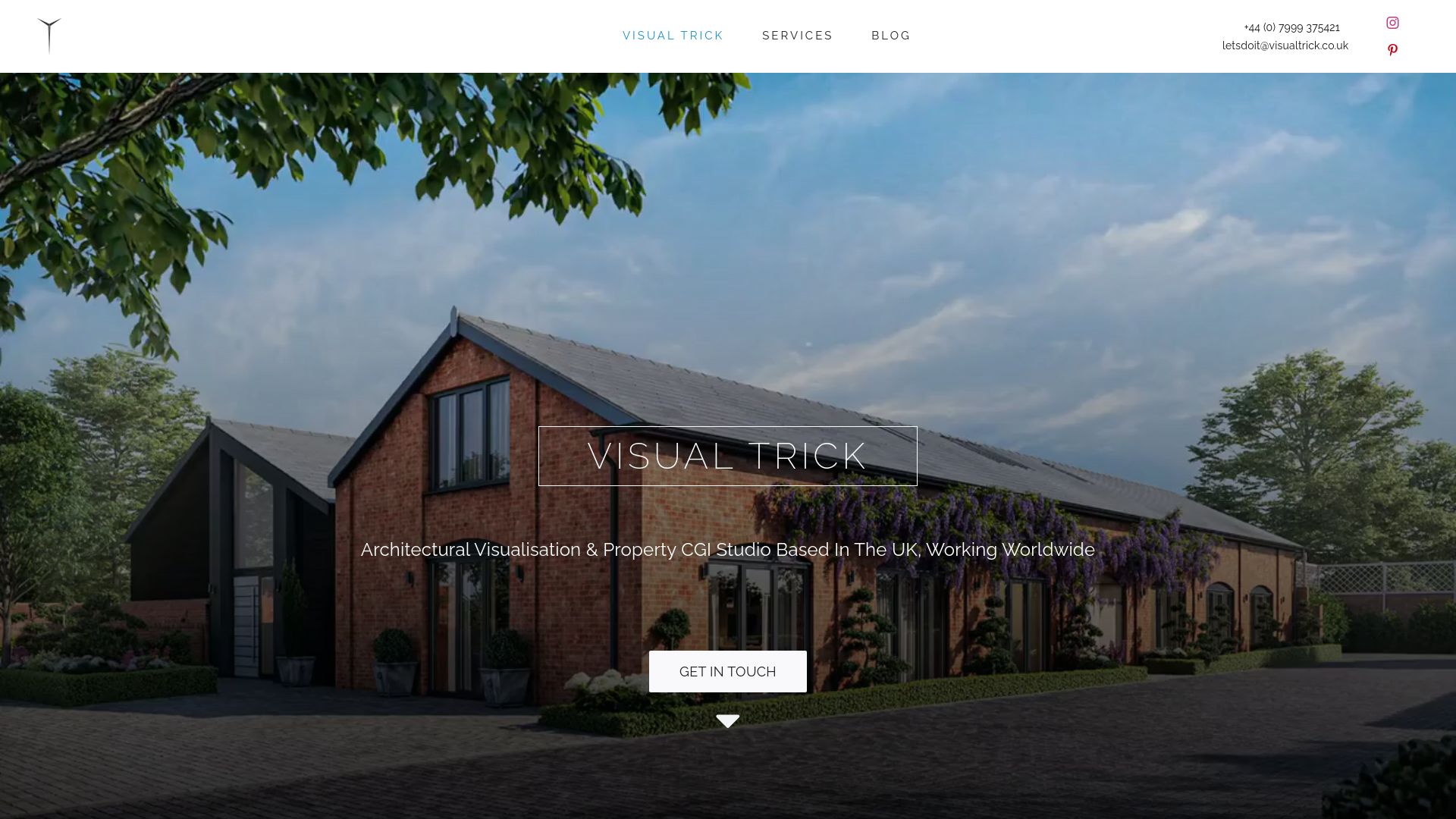
The images are produced in-house by experienced operators rather than an outsourced pipeline, which helps keep deliverable counts predictable and communication direct even against tight deadlines. That matters most when a planning submission or investor pack needs a fixed number of finished visuals by a fixed date, not an open-ended stream of AI drafts to sift through.
Services span architectural visualisation, 3D rendering, and planning visuals, through to focused property CGI and exterior CGI packages built around a set number of master views agreed at the outset. If you’re scoping a marketing pack, a planning application, or an investor pitch and need to know exactly how many images you’re paying for before you commit, get in touch through the services page to discuss a fixed-count quote for your project.
Sources
The AI-generation figures throughout this article draw on Morphed.app’s tracking of AI image volumes. Academic dataset scale comes from the CGIQA quality assessment study and the CGIQA-6k dataset paper. Pricing data comes from Vibe3D.ai’s rendering cost report. Treat platform-reported totals cautiously; they rarely separate unique assets from duplicates.
- Morphed
- A large-scale subjective study for computer graphics image quality assessment (CGIQA)
- The Computer Graphics Book of Knowledge — history summary
FAQ
How much do CGI images cost?
Professional architectural and commercial CGI renders typically cost between $150 and several thousand dollars per image, depending on complexity and revision rounds. AI-generated stills cost a fraction of a cent per output once you have platform access, which is why daily AI volumes vastly outstrip studio production.
Is CGI still a thing?
Yes, and it’s more widely used than ever, spanning film VFX, gaming, architecture, and advertising alongside the newer wave of AI-generated stills. Traditional studio CGI hasn’t been replaced by AI generation; the two serve different purposes, with studio work still dominating anywhere accuracy and brand control matter, such as planning applications.
What was the first CGI image?
Computer graphics originated in research centres such as Bell Labs, MIT, and the University of Utah from the 1940s through the 1960s, entering film and commercial use by the 1970s and 1980s. There’s no single universally agreed “first” image, since early work happened across several labs simultaneously with different aims.
How many AI images are made in a day?
Industry estimates place daily AI image generation at roughly 80 million images in 2026, up from around 2 million a day shortly after generative tools went mainstream. That figure covers consumer AI stills only, not studio renders or animation frames.
