
If you commission a CGI image in the UK, you do not automatically own it. Under UK law the creator is normally the first copyright owner, so your right to use the image comes from what the contract says. A good licence names the uses you need (planning, marketing, investor material), the media, the territory and the duration. It also says whether you can edit or reuse the image later. Agree those points in writing before work starts, not after the images are delivered.
TL;DR
- Commissioning a CGI image does not by itself transfer copyright. GOV.UK says the creator is usually the first owner unless the parties agree otherwise.
- A licence is permission to use an image for stated purposes, media and a stated period. Use beyond those terms needs an additional licence.
- Fees for licensing are driven by how the image is used (territory, duration, media, audience), not only by the hours spent making it.
- A planning portal listing does not make drawings or visuals free to reuse for marketing, tenders or altered versions.
- Get the licence in writing, and list every use you expect over the life of the project, including ones you only suspect you may need.
Table of Contents
- What image licensing means for architectural CGI
- Who owns a commissioned CGI image
- What a CGI licence should cover
- How CGI licensing fees are worked out
- Changing or extending use after delivery
- What to check before you sign
- Our perspective
- Getting the right visuals and the right rights
- FAQ
- Sources
What image licensing means for architectural CGI
Licensing means giving another person or organisation permission to use an image, often for payment and on conditions, for a set period. It is different from assignment, which transfers the copyright itself. GOV.UK explains the distinction in its guidance on digital images, and notes that images such as photographs and illustrations are generally protected as artistic works. A CGI render sits comfortably in that category: copying it, sharing it online or putting it in a brochure usually needs the copyright owner’s permission.
For a developer, that has a practical meaning. The render of your scheme is both a deliverable and a piece of intellectual property. You hold a file. Whether you may put that file on a hoarding, in an investor deck, on a portal listing and in a later phase’s sales pack depends on the licence attached to it.
A licence in UK law is a contract. GOV.UK describes it as an agreement that can grant one or more copyright rights and that can be limited by time or in any other way. That flexibility is useful, because it lets the licence fit the project. It also means two quotes for apparently identical images can carry very different rights.

Who owns a commissioned CGI image
The starting point is section 11 of the Copyright, Designs and Patents Act 1988: the author is normally the first owner of copyright. Where an artistic work is made by an employee in the course of employment, the employer is normally the first owner, unless there is an agreement to the contrary.
Two consequences follow for anyone buying visualisation work:
- If the visualiser is a studio or freelancer, they are usually the first owner. GOV.UK states that when an organisation commissions an image from a third party, the person or business that created it will usually be the first owner unless the parties agree otherwise.
- Paying for the work does not automatically give you full rights. You may have only the use the contract grants or, in limited cases, an implied licence covering the obvious purpose of the commission. Relying on an implied licence is a weak position when your plans change.
If you want ownership rather than a licence, an assignment must be in a written, signed contract, according to the same GOV.UK guidance. Many property teams find that a broad licence is all they need, and it is usually the simpler arrangement. The point is to choose deliberately.
Your own materials inside the render
A CGI image is rarely built from nothing. It draws on your architect’s drawings, your site photography, your material specifications and sometimes third-party assets such as furniture models or plants. Ask who owns each of those inputs and whether the licence covers any embedded rights. GOV.UK advises checking who owns the copyright and any embedded rights before relying on an image.

The reverse also matters. Your architect owns the copyright in their drawings, and a visualiser working from them needs permission to do so. Sorting that out at the start of a project, with the architect, the visualiser and you all aware of the chain, avoids awkward questions later.
What a CGI licence should cover
The most useful rule comes from GOV.UK: specify your intended uses before settling the contract, because permission for one purpose or medium does not automatically allow another. Turn that into a checklist.
| Term | What to settle | Why it matters |
|---|---|---|
| Purpose | Planning, sales and marketing, investor pitch, press, exhibition | Each can be licensed separately; uses outside the list need extra permission |
| Media | Print, web, social, hoardings, film, presentation screens | A licence for digital use may not cover large-format print |
| Territory | UK only, Europe, worldwide | Overseas investors or international property portals can widen your territory |
| Duration | One year, length of the project, perpetual | Marketing suites and sales campaigns often outlast a short licence |
| Exclusivity | Exclusive or non-exclusive | An exclusive licence prevents others, including the copyright owner, from using the work in the specified way |
| Editing | Cropping, colour grading, adding logos, composite use | Altered versions can be a separate right |
| Reuse | Later phases, sale of the site, new owners, new agents | Decide who may use the image if the project changes hands |
| Credit | Whether the visualiser is credited | Often a small point, but best agreed in writing |
Planning applications
Planning is the use most teams expect to cover, so make it explicit. Visuals submitted with an application become part of a public record, and that has its own rules. A council’s planning portal is a place to inspect documents, not a licence to reuse them. Harrow Council, for example, says planning documents may be downloaded or printed only for specified purposes such as consultation, comparison or checking that an application is complete, and that further copies need the copyright owner’s permission.
That applies to third parties looking at your scheme, and it applies in reverse when you want to reuse someone else’s material. If you are building on images or drawings that were published through a portal, you still need the owner’s permission to reuse them.
If you want to understand what planning visuals involve beyond the licence, our practical guide to CGI renders for planning applications covers the visual side.
Marketing and sales
Marketing is where licences most often fall short. A render commissioned for planning may later be wanted for a brochure, a website, agents’ listings and a sales suite. A case summary on Lexology, reported in 2017 from the property development sector, illustrates the lesson: planning permission itself does not confer intellectual-property rights, and using design material for construction, altered versions, tendering or marketing may need the rights owner’s consent.
The cheap fix is to list marketing uses in the original agreement, including use by your appointed agents and marketing consultants. If you will hand images to third parties, say so, and check the licence allows sub-licensing or use on your behalf.
How CGI licensing fees are worked out
Two things are bundled in most project quotes: the work of producing the image, and the right to use it. They are not the same, and industry bodies in the UK treat them separately.
DACS says fees depend on the type of use, duration, audience and scale, and that the image file is usually separate from the licence. The Association of Illustrators says licensing fees are based on intended use rather than simply the time or experience involved, and that a quote should state territory, duration, usage and client.
The Association of Illustrators also lists the factors that move a fee:
- territory
- duration
- media or usage
- the client
- rush work
- extra usages
- the number of illustrations
- additional amendments
Photographers work to the same logic. The British Institute of Professional Photography says licensing cost varies with whether use is personal, informative or commercial, how long and in what territory the image will be used, and whether it appears in print, digital or both. It adds that advertising, promotion and PR licences generally cost more than illustration or editorial ones, and that a later, different purpose or product requires an additional licence and payment.
These guides are written for illustrators and photographers rather than architectural visualisation specifically, but the principle carries across to CGI: the wider and longer the use, the more the licence is worth.
What this means for your budget
Budget for the uses you actually expect, and be honest about the ones you only half expect. Adding a use at the start is usually a conversation about scope. Adding it after a campaign has launched is a negotiation under time pressure. Our studio does not publish fixed prices for CGI work, because each project differs in scope and purpose, so the quickest route to a figure is to describe your intended uses when you ask for a quote.
Changing or extending use after delivery
Projects change. A scheme is sold on, a new phase is released, a sales agent is replaced, or an image meant for a brochure is wanted on a 12-metre hoarding. The rule is the same each time: ask the copyright owner for an additional licence before using the image beyond the original terms. GOV.UK is clear that permission for one purpose or medium does not automatically cover another.
A few habits make this painless:
- Keep the licence with the project files, not buried in an email thread.
- Note the expiry date in your project calendar if the licence is time-limited.
- Ask about extensions when you first agree the licence, so the future price is not a surprise.
- If you plan to sell the site, ask whether the licence can pass to the buyer.
File choice matters too, since the format you receive affects what you can legitimately and practically do with an image. Our note on CGI file formats to request explains what to ask for so you avoid rework.
What to check before you sign
Run through this list with whoever signs your commissioning contracts.
- Written agreement. The Association of Illustrators recommends that all commissions have one, and that a licence identifies where, how and for how long the work may be reproduced.
- Ownership. Is it a licence or an assignment? If an assignment, is it signed and in writing?
- Permitted uses. Are planning, marketing, investor, press and exhibition uses each named?
- Duration and territory. Do they match your sales and funding timeline and your audience?
- Editing rights. Can you crop, add branding or composite the image into other material?
- Third parties. Can your architect, agents, contractors and consultants use the images on your behalf?
- Extra uses. How are additional licences requested and priced?
- Embedded rights. Are there third-party assets or drawings in the image that carry their own conditions?
The five clauses we consider most important are set out in more detail in our guide to CGI image licensing contract clauses.
Our perspective
Most licensing problems we hear about are not disputes. They are surprises: a render approved for planning that turns out to be wanted for a campaign six months later, or an agent who needs the images and was never named in the paperwork.
Our view is that licensing should be a short, plain conversation at the start of a project. Tell us where the images will appear, who will use them and for how long, and the licence can be written around that. Because all our imagery is produced in-house by a single, experienced operator, you talk to the person making the images, which keeps those conversations direct and the deadlines predictable.
We build workflows around the purpose and audience of each project: planning-ready visuals need different handling to marketing imagery, and we would rather agree that difference up front than discover it at delivery.
Paride
Getting the right visuals and the right rights
If you are commissioning CGI for a scheme, we can produce exterior and interior images, verified views and photomontages, animations and more, with the intended use agreed at the outset. Start from our architectural visualisation and rendering services, or look at our work for planning visuals and verified views if your first need is an application.
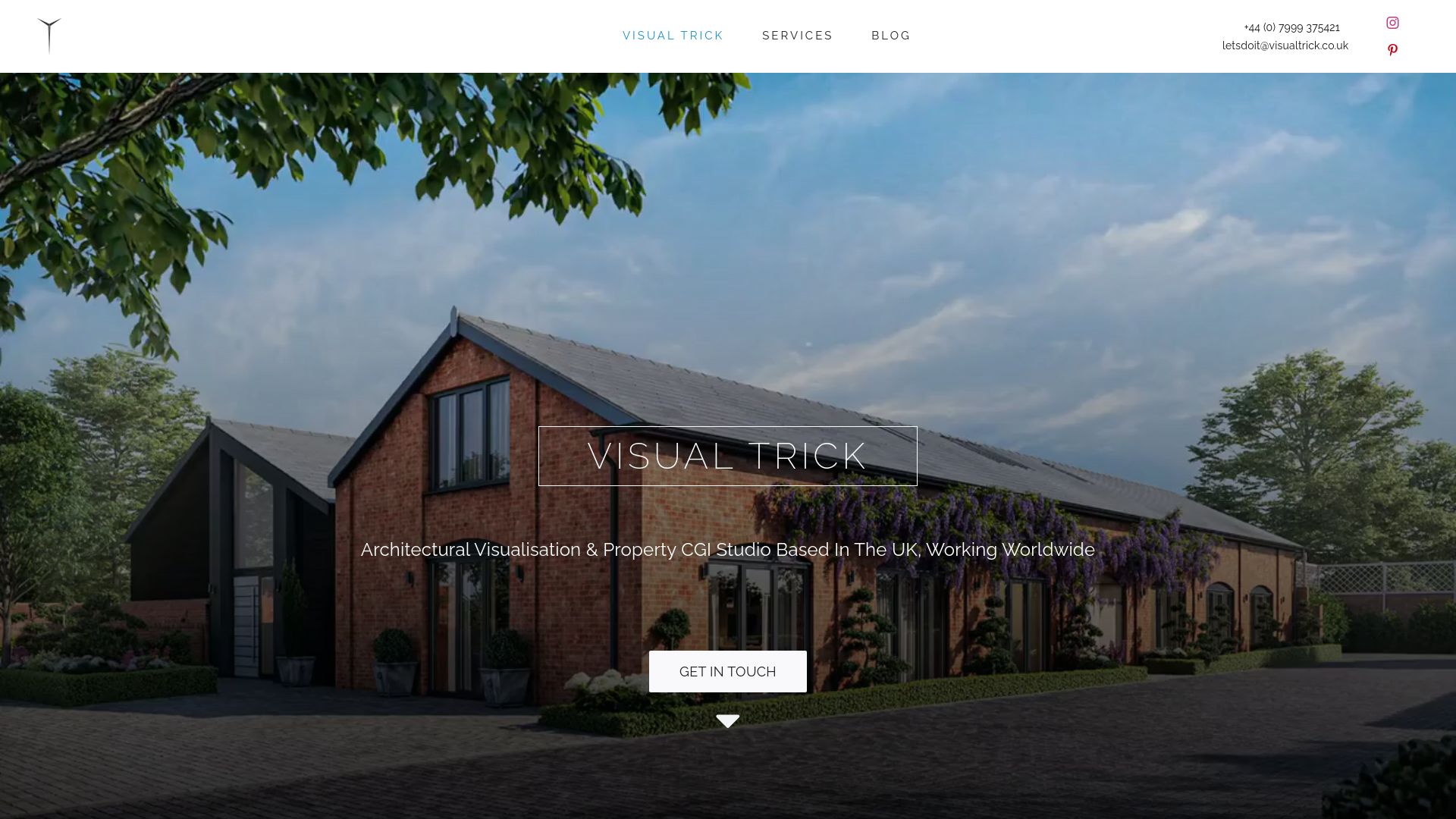
Tell us the uses you expect, the media and the timeline when you get in touch, and we will build the quote and the licence around them. Developers can also see how we work on our CGI for developers page.
FAQ
Do I own the CGI images I pay for?
Not automatically. In the UK the creator is normally the first copyright owner, and commissioning an image does not by itself transfer that ownership. You hold the rights set out in your contract, or in limited cases an implied licence for the obvious purpose of the commission. If you want ownership, an assignment must be written and signed.
Can I use a planning-application render for marketing?
Only if your licence allows it. Permission for one purpose does not automatically extend to another, and publication through a planning portal does not make visuals free to reuse. List marketing, agents’ use and investor material in the agreement from the start, or request an additional licence before the campaign begins.
Why does a licence cost more than the time spent making the image?
Because UK industry bodies base licensing fees on use rather than hours. Territory, duration, media, audience and the number of extra uses all affect the fee. Advertising and promotional uses generally cost more than editorial or illustrative ones.
What should a CGI licence agreement include?
At minimum: who owns the copyright, the permitted purposes and media, the territory, the duration, whether the licence is exclusive, editing rights, who else may use the images, and how extra uses are agreed. Keep it written, and keep it with the project files.
What happens if I use an image beyond the licence?
You would need an additional licence from the copyright owner, usually with an additional fee. Ask before the new use begins, because the conversation is much easier before publication than after.
Sources
- Copyright notice: digital images, photographs and the internet, GOV.UK
- License, sell or market your copyright material, GOV.UK
- Copyright, Designs and Patents Act 1988, section 11
- Copyright, London Borough of Harrow
- A cautionary copyright tale for the property development sector, Lexology
- License artwork and get copyright permission, DACS
- Licensing Illustration, Association of Illustrators
- The BIPP Guide to Using Images
